

Creating a successful fashion line isn't just about stunning designs and trendsetting - it's also about smart, cost-effective manufacturing strategies. Here’s how you can elevate your production process to save costs while maintaining the high quality your customers expect.
Mastering Material Economics:
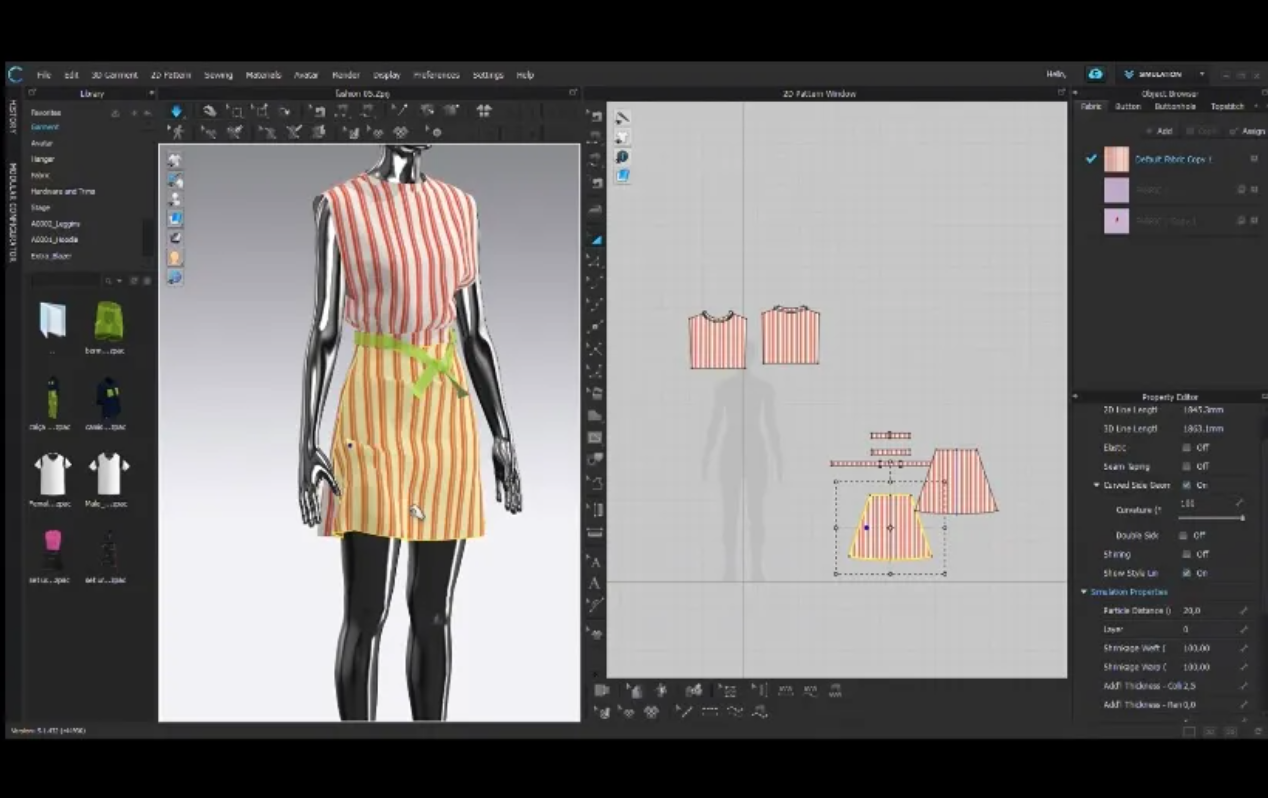
Advanced Pattern-Making Software
Investing in advanced pattern-making software can significantly improve fabric utilization. These tools are designed to efficiently arrange patterns in a way that fits more pieces onto a length of fabric, thereby reducing the amount of unused material. The software often includes algorithms that can automatically suggest the most material-efficient layout for cutting.
Zero-Waste Design Techniques
Zero-waste design is a creative approach to pattern making that aims to eliminate fabric waste at the design stage. This involves designing patterns that use 100% of a given material, leaving no scraps or offcuts. It can be a complex process that may require a rethinking of traditional garment construction, but it leads to innovative designs and can be a strong selling point for environmentally conscious consumers.
Digitized Fabric Printing
Incorporating digitized fabric printing allows for precise printing of patterns directly onto the fabric, reducing the need for large runs of printed materials that may not be fully utilized. This technique is particularly useful for styles that require multiple colors or intricate designs, and it can lead to significant reductions in waste.
Fabric Spreading Techniques
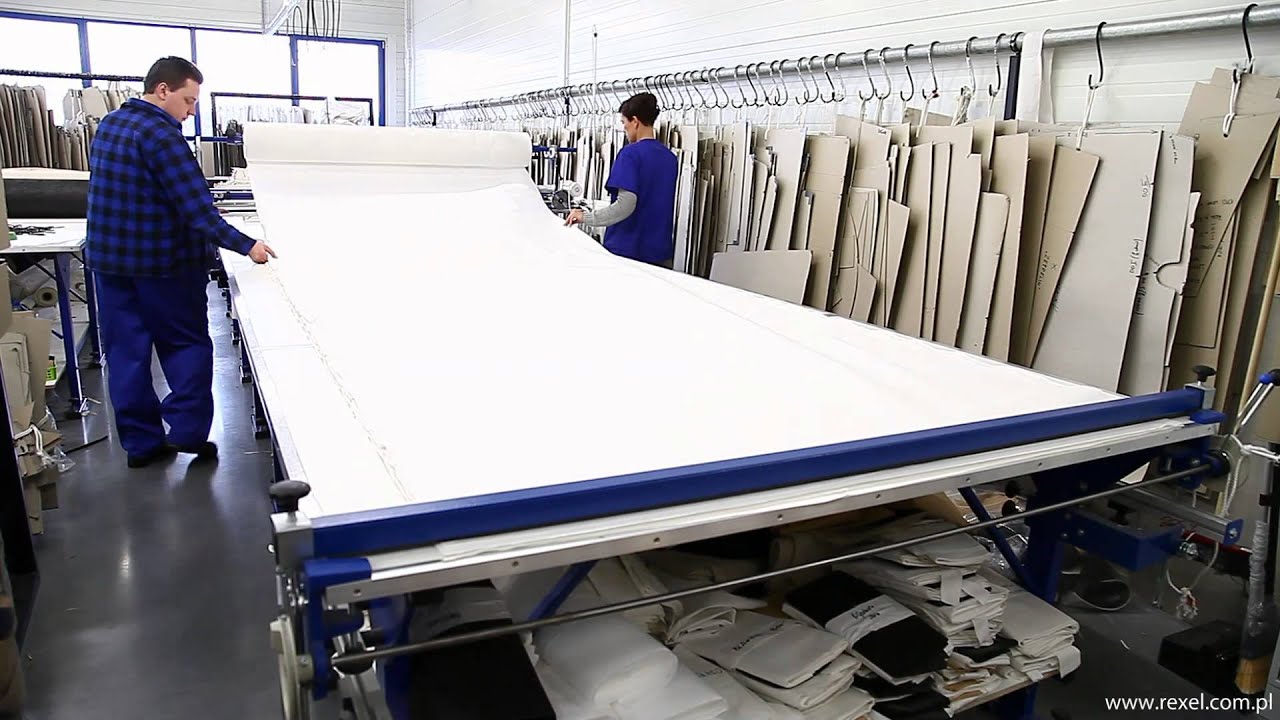
Fabric spreading is the process of laying out multiple layers of fabric on a cutting table before the patterns are placed and cut. Employing efficient spreading techniques, such as face-to-face or tubular spreading, can help align the fabric's grain properly and reduce end losses. It's important to train staff in these techniques to ensure that fabric is handled correctly and waste is minimized.
Training and Education
Investing in training for designers, pattern makers, and cutting room staff is essential. The more knowledgeable they are about fabric utilization techniques, the better they can perform their roles. Regular training sessions can help keep everyone up-to-date with the latest best practices and technologies in fabric optimization.
Refining the Production Line:
The heart of cost reduction lies in a well-oiled production line. Implementing lean manufacturing principles can help identify and eliminate inefficiencies, streamline operations, and improve product quality. Small adjustments, like reconfiguring the assembly line or upgrading to more efficient machinery, can lead to significant savings over time.
Innovating the Sampling Process:
Sampling is an essential phase in fashion design but can be resource-intensive. Employ cutting-edge 3D design software to visualize and make changes to your designs, dramatically reducing the need for physical samples. When tactile samples are unavoidable, partnering with local production houses can cut down on logistics costs and speed up the revision process.
Enhancing Workforce Productivity:
The skill and speed of your workforce directly impact your bottom line. Invest in regular, comprehensive training programs to ensure your employees are proficient with the latest industry standards and technologies. Implementing a transparent incentive system can also motivate workers to maximize their productivity.
Strategically Automating Tasks:
Automation should be a strategic choice, not a blanket solution. Evaluate your production for tasks that are repetitive and time-consuming, and explore automation technologies that
could improve efficiency and consistency. For example, automated cutting machines can quickly and precisely cut fabrics, while automated sewing machines can handle simple stitches or patterns. However, it's vital to conduct a thorough cost-benefit analysis to ensure that the savings from automation outweigh the investment and maintenance costs.
Smart Sourcing and Procurement:
Material sourcing is a complex but critical component of fashion manufacturing. Develop a strategic sourcing plan that includes building strong relationships with a diverse range of suppliers. This not only allows for better price negotiations but also ensures a steady supply chain and access to a variety of materials. Consider attending trade shows and industry events to connect with suppliers and stay abreast of new materials and technologies that could reduce costs.
Sustainable Manufacturing Practices:
Sustainability is more than a buzzword; it's a business model that can lead to significant cost savings. Adopt sustainable manufacturing practices like reducing energy consumption, minimizing water usage, and recycling scrap materials. Not only do these practices reduce production costs, but they also resonate with a growing demographic of eco-conscious consumers, potentially increasing market share and brand loyalty.
Efficient Inventory Management:
Excess inventory can be a silent killer for fashion brands. Utilize inventory management software to track stock levels in real-time, forecast demand more accurately, and implement a just-in-time manufacturing approach. This reduces the need for large warehouses and minimizes the risk of unsold stock, which can erode profit margins.
Continuous Improvement and Adaptation:
The fashion industry is continually evolving, and staying competitive means being adaptable. Foster a culture of continuous improvement within your organization, where feedback from every level is valued and acted upon. Regularly review and refine every aspect of your manufacturing process to keep up with changing trends, technologies, and best practices.
By implementing these strategies, fashion manufacturers can significantly reduce their production costs while still delivering high-quality, fashionable products to the market. The key is to balance innovation with practical efficiency, ensuring that every step from design to delivery is optimized for both cost savings and customer satisfaction.
Collaborative Product Development:
Engage in collaborative product development by involving various stakeholders, including designers, production staff, and even customers, early in the design process. This integrated approach can lead to innovative products that are easier and more cost-effective to manufacture, while also meeting consumer demands more precisely.
Quality Control and Assurance:
Investing in rigorous quality control measures at every stage of production ensures that the final product meets the highest standards, reducing costly returns and enhancing brand reputation. Implementing a Total Quality Management (TQM) system can lead to fewer defects, less waste, and a strong, consistent brand image.

>> Read More:
Understanding Types of Quality Control Standards in Fashion Manufacturing
Leveraging Data Analytics:
In today's digital age, data analytics play a crucial role in optimizing manufacturing processes. Use data to track consumer behavior, forecast trends, and make informed decisions about production volumes, design choices, and inventory management. Data-driven insights can lead to more efficient operations and better alignment with customer desires.
Investing in Employee Wellbeing:
Remember that your employees are your most valuable asset. Investing in their wellbeing can lead to higher job satisfaction, lower turnover rates, and improved productivity. Consider implementing employee wellbeing programs that focus on physical health, mental health, and job satisfaction. These programs can range from providing ergonomic workstations to offering counseling services or flexible work arrangements. When employees feel valued and taken care of, they are more likely to be engaged and committed to their work, which translates into better performance and lower costs related to absenteeism and employee turnover.
Navigating Tariffs and Cross-Border Trade:
In an increasingly globalized economy, understanding and navigating tariffs and trade agreements can have a significant impact on costs. Stay informed about changes in trade policies and consider sourcing materials or manufacturing in countries with favorable trade terms with your target markets. This strategic approach can reduce customs duties and improve profit margins.
Exploring On-Demand Manufacturing:
On-demand manufacturing is a modern approach that aligns production with actual demand, minimizing overproduction and waste. Fashion brands can offer personalized products and limited runs without the risk of excess inventory. This model can also enhance the brand's appeal by offering exclusivity and customization.
Cultivating a Circular Economy:
The circular economy is an alternative to the traditional linear economy (make, use, and dispose) and focuses on resource efficiency. By designing products with their entire lifecycle in mind, you can reduce environmental impact and create new business opportunities through the resale, repair, or recycling of garments. This approach can attract eco-conscious consumers and contribute to long-term cost savings.
Monitoring Market Trends and Consumer Behavior:
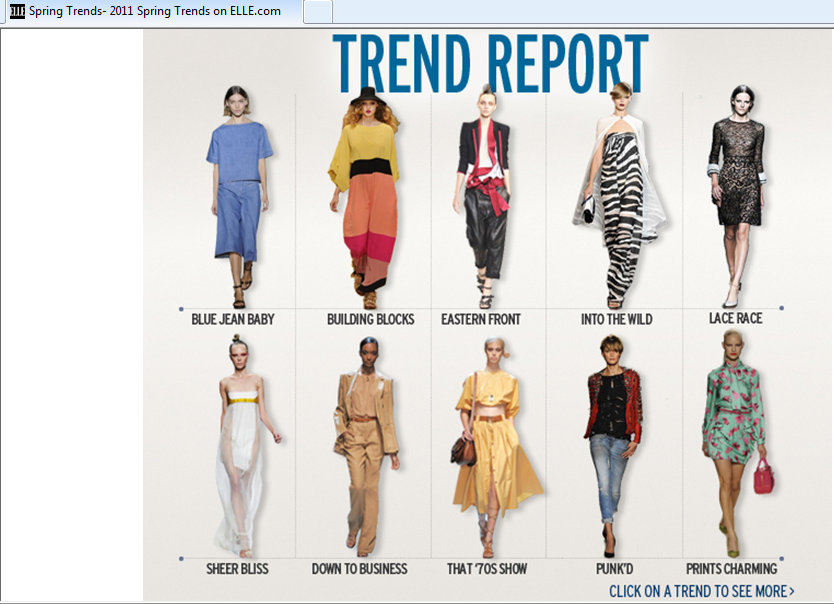
Stay ahead of the curve by continuously monitoring fashion trends and consumer behavior. Being able to quickly adapt to changes in the market can give you a competitive edge, allowing for timely adjustments in production that align with consumer demand, thus reducing the risk of unsold inventory.
Building a Resilient Supply Chain:
A resilient supply chain can adapt to disruptions and maintain operations under various conditions. Invest in supply chain resilience by diversifying suppliers, maintaining healthy stock levels of critical materials, and establishing contingency plans. Building strong relationships with suppliers can also lead to more flexible terms and faster response times when adjustments are needed.
Fostering Agility in Operations:
Agility in operations allows your business to respond rapidly to changes in the market or disruptions in the supply chain. Implementing agile methodologies can lead to faster turnaround times, more flexible production schedules, and the ability to capitalize on short-term market opportunities.
By integrating these strategies into your fashion manufacturing operations, you can not only reduce costs but also enhance your brand's market position, build a loyal customer base, and pave the way for long-term success in a highly competitive industry. The key is to remain adaptable, innovative, and always in tune with the shifting landscapes of both fashion trends and global economics.
Learn How Inflow Can Help You and Your Brand